
Freethinkers Forum
The Freethinkers’ Forum is a monthly gathering to discuss topics of interest to freethinkers, atheists, agnostics, and other non-religious people. The purpose of these gatherings is to foster respectful dialogue of interesting and intellectually stimulating topics.
All participants are asked to familiarize themselves with and agree to follow our code of conduct.
Upcoming Forums
Last updated 2026-07-02
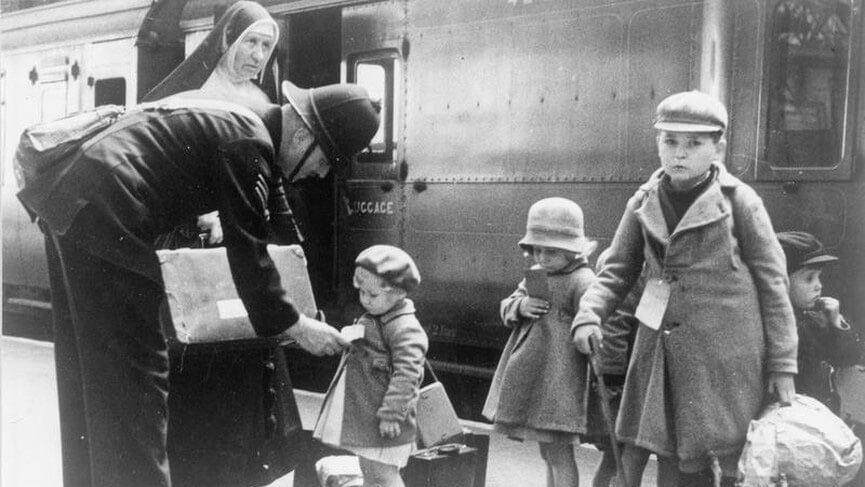
Stay and fight, leave the United States, or hunker in place?
As concerns about authoritarianism and Christian nationalism grow, many Americans are asking uncomfortable questions. If democracy were truly in danger, would you stay and fight, leave the country, or hunker down? What do secular humanist values have to say about that choice? Join the Freethinkers’ Forum on Thursday, August 6 to explore these questions.
Past Forums
Democracy at 250: Is It Worth Saving?
On the 250th anniversary of the vote for American independence, we’ll examine one of the nation’s defining ideals: democracy. As democratic institutions face mounting challenges around the world, we’ll ask whether democracy is worth saving, how it can be improved, and whether alternatives deserve serious consideration.

Do we have free will?
Are our choices genuinely ours, and are we morally responsible for them? Those are the central questions of free will, and the topic of discussion for our next Freethinkers’ Forum on Thursday, June 4, 2026. We will meet at 6:30 pm at the Keith Summey Library on Rivers Ave in North Charleston.

How do you talk about death without religious belief?
In a culture where death is framed through religious language and ritual, secular humanists must develop their own ways of understanding mortality and supporting the grieving. Drawing on values like legacy, memory, and the meaning of a finite life, they face the challenge of expressing comfort and navigating loss without relying on beliefs in an afterlife.

How do you navigate being a non-religious person in a deeply religious place?
In South Carolina, where religion strongly shapes social and public life, non-believers often face expectations to conform—even in Charleston’s more diverse culture. For secular humanists, this creates ongoing challenges around authenticity and belonging while living out values grounded in reason, ethics, and respect for all beliefs.

When kids are involved, how should non-believers handle religious family?
Children both shape and are shaped by the beliefs around them, making interactions with religious friends and family especially sensitive for non-believers involved in their lives. Whether as parents or mentors, secular individuals must navigate when and how to engage on these issues—and whether different boundaries should apply to friends versus relatives.

Are there ethical limits that should be imposed on the pursuit of science and technology?
From early tools to modern gene editing, human progress has relied on science and technology—yet not all advances promote human flourishing. Emerging fields like artificial intelligence and genetic engineering raise complex ethical questions about privacy, inequality, and human identity, challenging secular humanists to consider whether limits should be placed on scientific and technological pursuit.

Can secular humanism meet our spiritual needs?
If we reject the supernatural, do the needs often labeled “spiritual”—awe, meaning, and connection—disappear, or persist in secular form? Humanists respond in varied ways, finding fulfillment in art, nature, or science, or rejecting the concept entirely, raising the question of whether secular humanism can itself provide meaning, transcendence, and community.

How should secular humanists relate to traditionally religious holidays?
Many secular humanists retain cultural ties to religious holidays even after rejecting their beliefs, raising questions about identity and authenticity. Can these holidays be meaningfully celebrated for their cultural and communal value without theology, or should they be set aside in favor of secular traditions?

What are the political obligations of a secular humanist?
In the wake of recent elections, secular humanists are prompted to reflect on their political responsibilities in a turbulent climate. While grounded in values like dignity and justice, translating those into action raises difficult questions about engagement, burnout, and balance—challenging individuals to define what meaningful participation looks like without sacrificing well-being.

Are some book bans justifiable?
During Banned Books Week, we defend the freedom to read and resist censorship—especially of marginalized voices—but difficult questions arise when books are linked to harm, hate, or violence. For humanists and progressives, this creates a tension between protecting expression and considering whether any limits on access are justified.

Can humans actually solve our problems?
Secular humanism rests on optimism about humanity’s ability to solve major challenges through reason and cooperation—but mounting crises, from climate change to democratic backsliding, call that optimism into question. Humanists are thus challenged to examine whether progress is real and how to sustain hope and ethical commitment in the face of uncertainty.

Are you anti-religious?
While not anti-religious, SHL supports both religious freedom and the rights of non-believers, creating a community that includes individuals with a wide range of views—some shaped by harm from religion. This raises the challenge of supporting those experiences while maintaining an inclusive, respectful environment for all.