
SHL is fortunate to have, among our members, Blake Crosby, astronomy instructor at Trident Technical College. This December, Blake will be leading two special astronomy events for us. First, we’ll explore some of the world’s most advanced astronomical observatories through Blake’s firsthand experiences in Chile. Then, two days later, we’ll head outdoors for a guided observation of the December night sky.
You can attend either event or both.
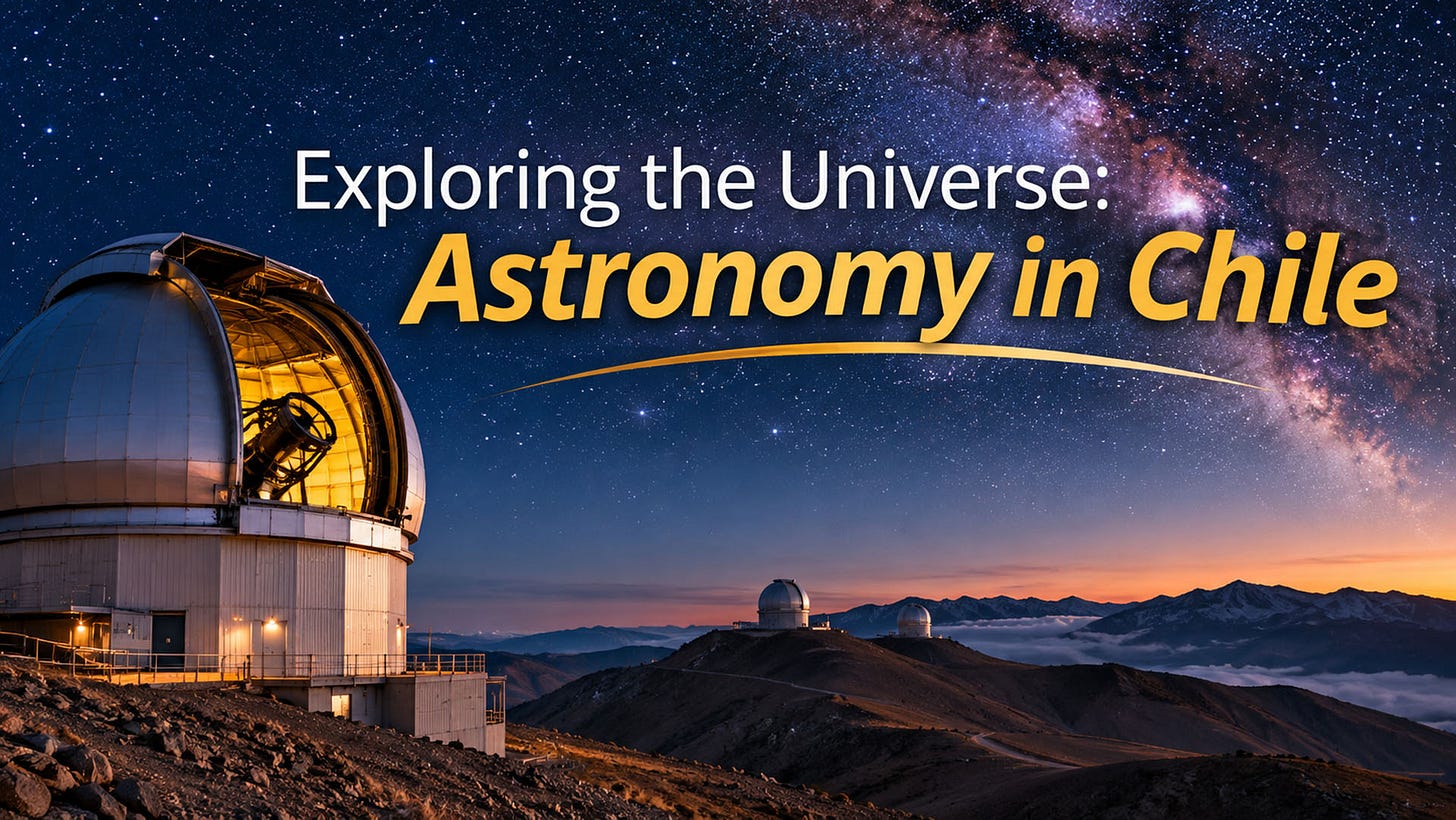
Exploring the Universe: Astronomy in Chile
Saturday, December 12 | 2:00–4:00 PM
Baxter-Patrick James Island Library, Community Room B
In 2025, Blake was selected for the Astronomy in Chile Educator Ambassadors Program, which provides astronomy educators with behind-the-scenes access to some of the world’s premier observatories.
Chile’s high-altitude deserts and exceptionally clear skies make it one of the best places on Earth for astronomical research. Blake will share his experiences visiting these remarkable facilities, learning about their advanced telescopes and instruments, and discovering how astronomers are expanding our understanding of the universe.
This presentation offers a fascinating glimpse into how modern astronomy works and the extraordinary science being conducted at the frontiers of discovery.
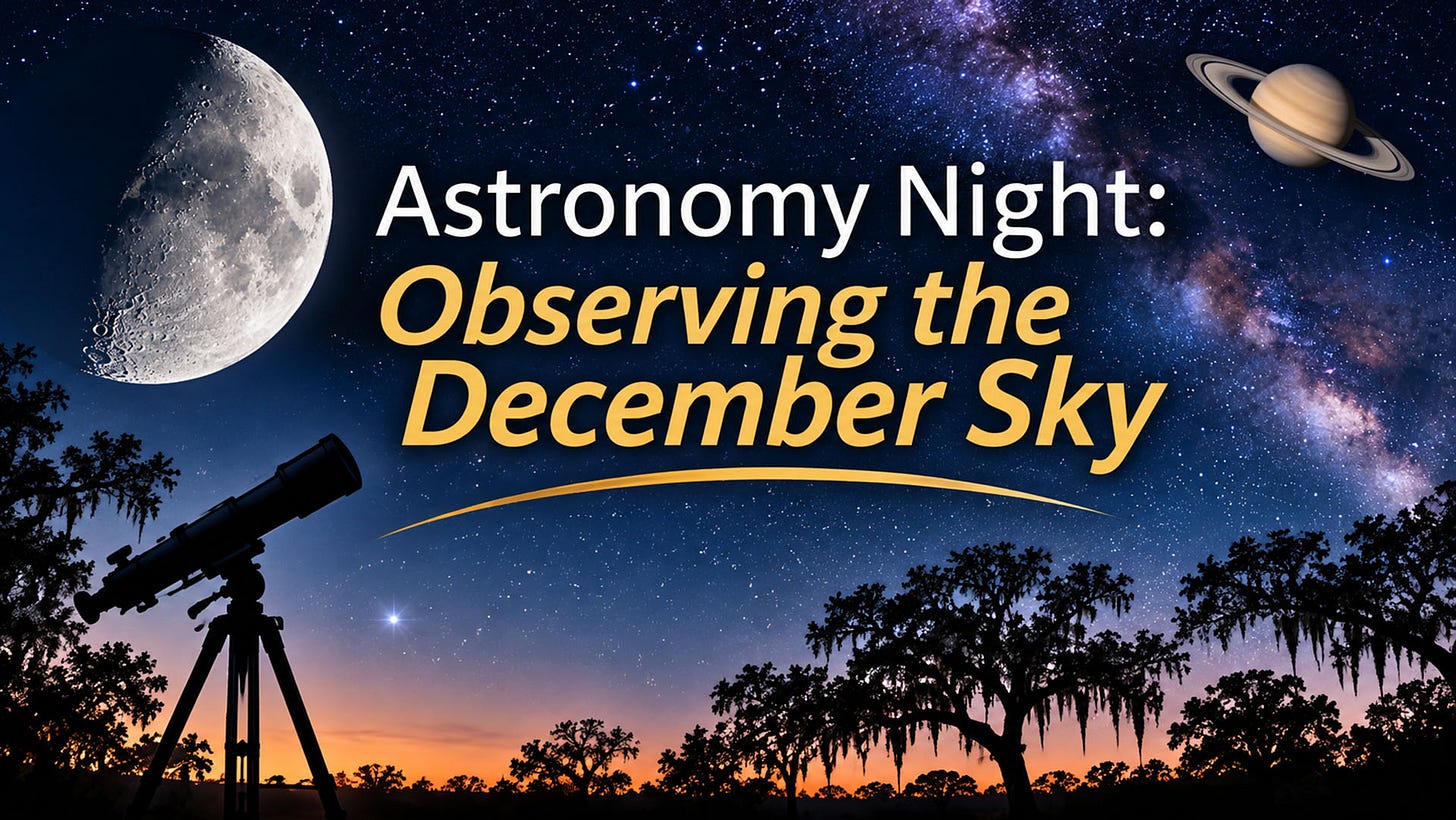
Astronomy Night: Observing the December Sky
Monday, December 14 | 6:45 PM
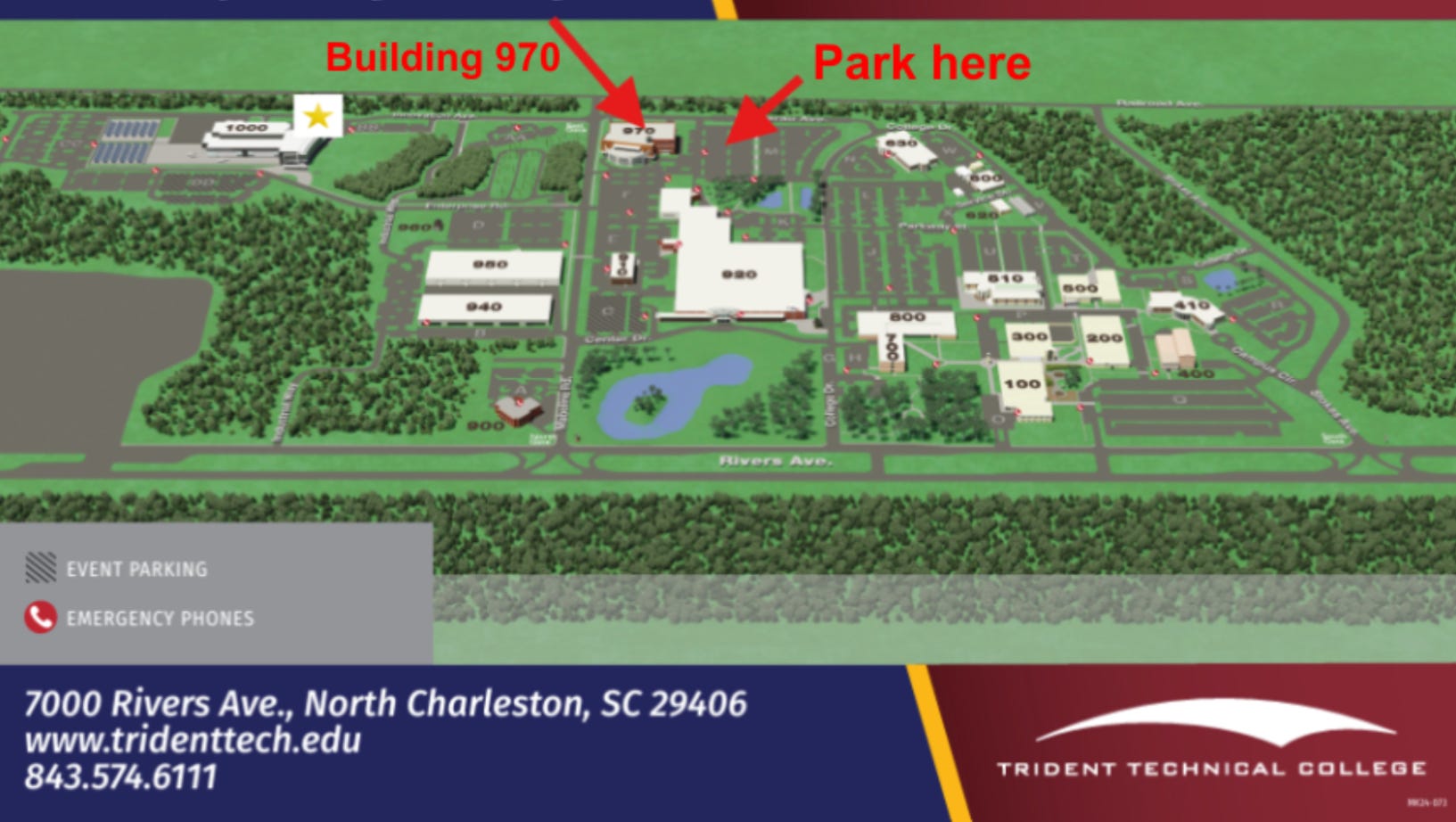
Trident Technical College, Thornley Campus
Building 970, Rooftop Terrace
7000 Rivers Avenue, North Charleston
Two days after the presentation, Blake will guide us through an evening of actual astronomical observation.
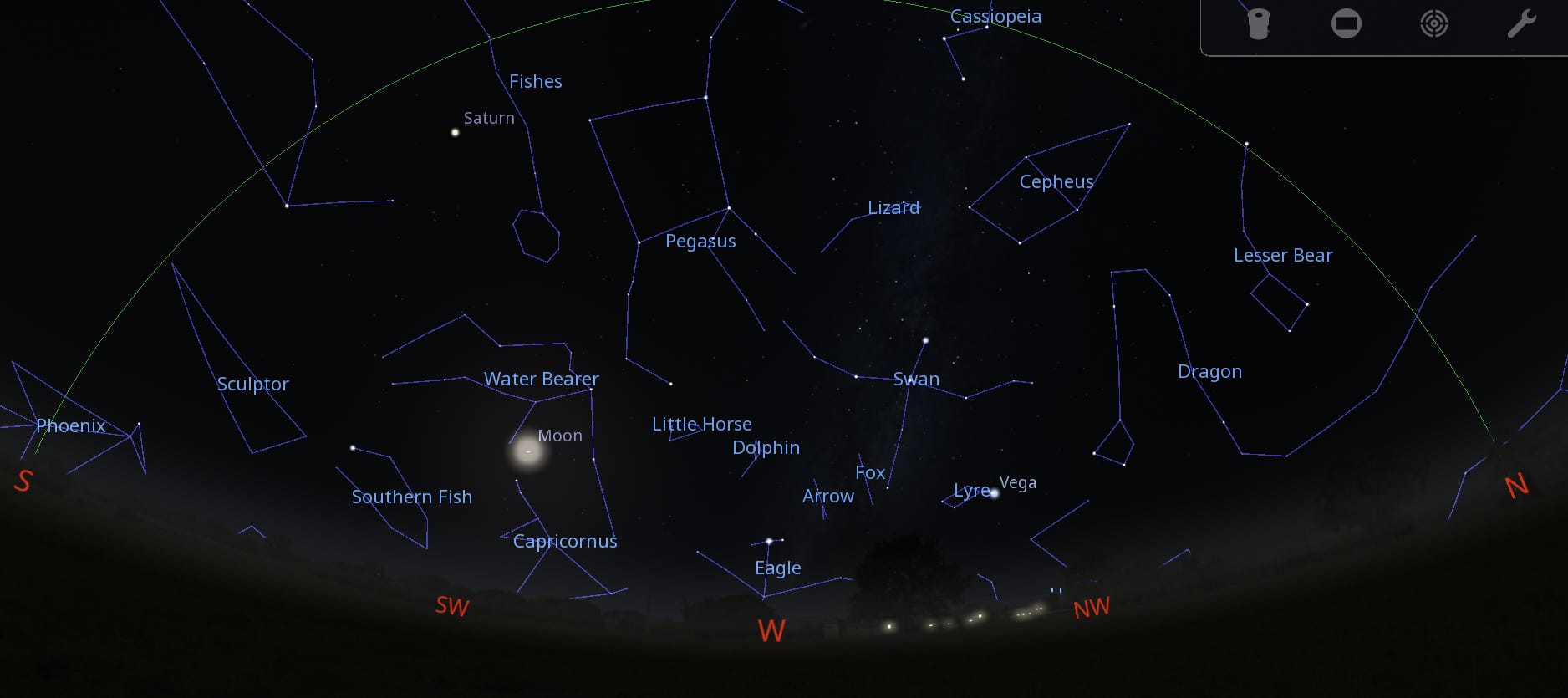
We’ll have an opportunity to observe the Moon’s craters and mountains, see Saturn and its famous rings, and perhaps explore some brighter deep-sky objects, depending on viewing conditions.
We’ll meet in the lobby of Building 970 at 6:45 PM before heading to the rooftop terrace. Dress warmly, and feel free to bring binoculars or a telescope if you have one. Equipment is not required.
Attendance is limited to 20 people, so please RSVP only if you plan to attend. This event is weather-dependent, and we’ll provide an update if conditions require cancellation or rescheduling.
Both events are free and open to the public.
From the cutting-edge observatories of Chile to the Moon and Saturn above the Lowcountry, these two events offer a wonderful opportunity to explore the universe and the science that helps us understand it.