

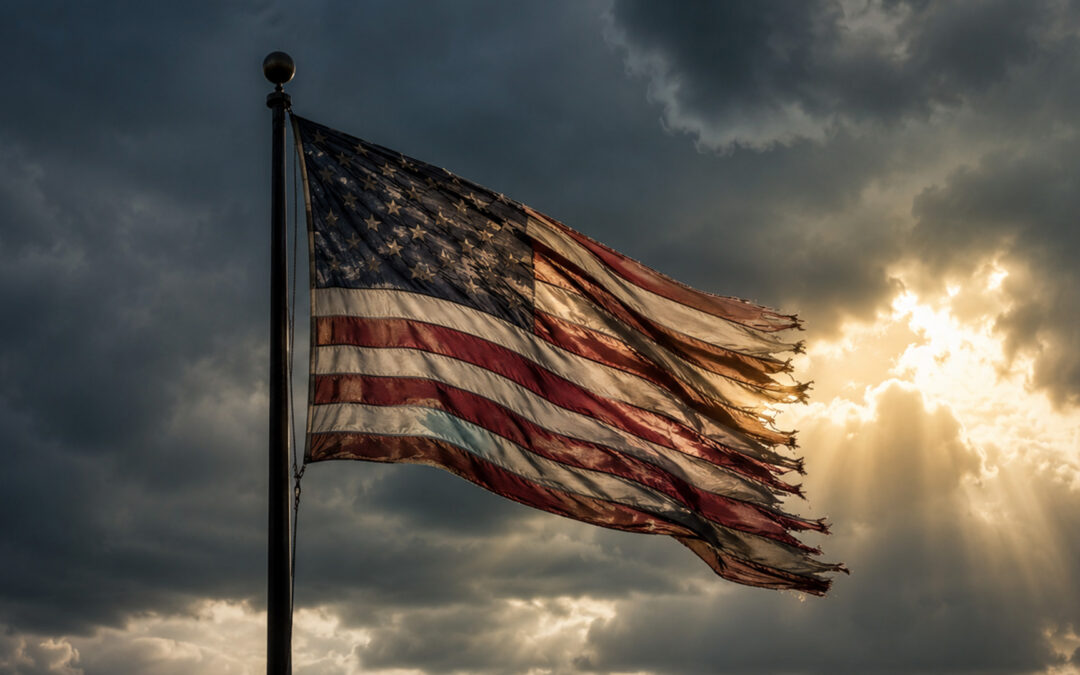
Eleven freethinkers gathered for this month’s Freethinkers’ Forum for a lively, thoughtful, and sometimes provocative conversation marking the 250th anniversary of the American experiment in democracy on July 2, 2026. While participants brought a variety of perspectives to the table, there was a general consensus that preserving democratic institutions and resisting authoritarianism remain essential responsibilities for engaged citizens.
The conversation also ventured into some provocative political theory, specifically the idea of selecting representatives by lottery rather than through elections. While many found the concept intriguing, the group ultimately concluded that sortition represents an alternative method of practicing democracy rather than a fundamentally different system of government.
As always, the evening demonstrated what makes Freethinkers’ Forum such a rewarding event: respectful dialogue, intellectual curiosity, and a willingness to examine challenging ideas from multiple perspectives. Thank you to everyone who joined us, and we look forward to another engaging discussion next month.


Discussion Prompt:
Our next Freethinkers’ Forum falls on a remarkable date: July 2, 2026—the 250th anniversary of the Continental Congress’s vote for independence from Great Britain. Many of the founders expected July 2, not July 4, to become the date Americans would celebrate as the birth of the nation. History took a different turn, and Independence Day became associated with the adoption of the final text of the Declaration of Independence two days later. Even so, it seems fitting to mark the occasion by discussing one of the central ideas that emerged from the American experiment: democracy.
Yet democracy today appears to be under strain. Around the world, democratic institutions have weakened, while authoritarian movements have gained ground. Perhaps most troubling, many modern authoritarians have not seized power through violent revolution or military coups. Instead, they have often been elected through democratic processes and then used those processes to undermine democracy itself. This has been true of both left-wing and right-wing authoritarian movements throughout the twentieth and twenty-first centuries.
These developments raise uncomfortable questions. Is democracy actually a good system of government? If democracy can produce authoritarian outcomes, what makes it preferable to alternatives? Can democratic institutions be reformed to better protect freedom, equality, and human flourishing? Or should we be willing to consider more radical alternatives, such as selecting leaders by lottery rather than election?
For secular humanists, these questions may be especially important. Many of us value individual autonomy, pluralism, equality, and the peaceful resolution of disagreements. Are these inherently democratic values? Or is our commitment to democracy based more on habit than careful reflection?
Related Questions:
- What, if anything, makes democracy morally superior to other forms of government?
- Why do democratic societies appear to be experiencing increasing polarization and instability?
- Can democracy survive widespread misinformation and political tribalism?
- Should some decisions be insulated from democratic control?
- Is majority rule enough, or must democracy also protect minority rights?
- Are elections the best way to choose leaders?
- What are the advantages and disadvantages of selecting leaders by lottery?
- Is democracy a universal value, or does it depend on particular cultural conditions?
- How should citizens respond when democratic institutions begin to fail?
- What responsibilities do individuals have in maintaining a democratic society?
Join us as we explore these questions, share our own reflections on democracy and its future, and consider how the answers might shape the way we engage with our communities, our institutions, and one another.
When & Where:
The forum is on Thursday, July 2, 2026 at 6:30 pm in Community Room A at the Keith Summey Library, located at 3503 Rivers Ave in North Charleston.
You can bring dinner! We are allowed to have food and drink inside the community room at the library (we just can’t have heat sources). Since we are meeting around dinner time, we invite people to bring take-out dinner or snacks. We also have the space from 6 pm, so welcome people to come early to socialize before we begin the discussion.
About the Group:
The Freethinkers’ Forum is a monthly gathering facilitated by the Secular Humanist of the Lowcountry to discuss topics of interest to freethinkers, atheists, agnostics and other non-religious people. The purpose of these gatherings is to foster respectful dialogue of interesting and intellectually stimulating topics. The focus is discussion and so we will not have speakers. We may have brief presentations to introduce topics, but those will be restricted to 15 minutes or less. There may be optional readings or television or film recommendations to stimulate discussion.
***All participants are asked to familiarize themselves with and agree to follow our code of conduct.